Fall Lawn Aeration in Spokane: Why September Is the Sweet Spot
Lawn aeration in Spokane keeps your grass healthy by loosening compacted soil so water, air, and nutrients reach the roots. At Greenscape Landscaping, we have served homeowners and businesses across Spokane and North Idaho for more than 25 years. We see firsthand how our region’s clay-heavy soils and seasonal weather stress local lawns. This guide explains why aeration matters, how core aeration works, and the best time to schedule it in 2026. Whether you manage a residential yard or a commercial property, these steps will help you build a stronger, greener lawn.
Why Spokane Lawns Need Aeration
Spokane lawns often need aeration because local soil becomes compacted and limits root growth. Clay-heavy and packed soil is common across the region, from the South Hill to neighborhoods near the Spokane River. When soil compacts, water, air, and nutrients cannot reach the root zone.
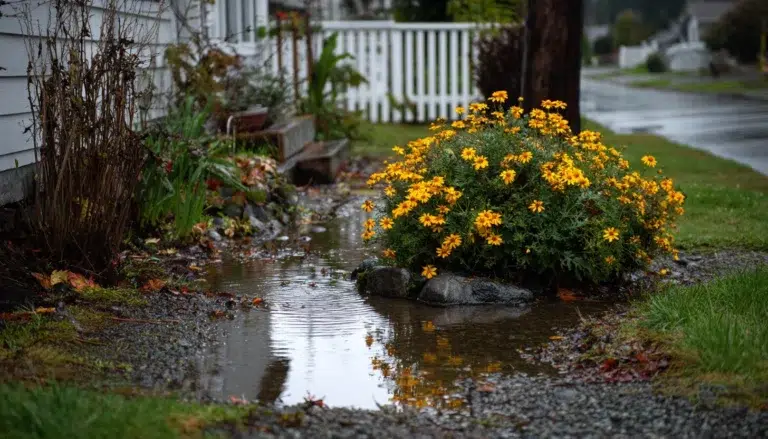
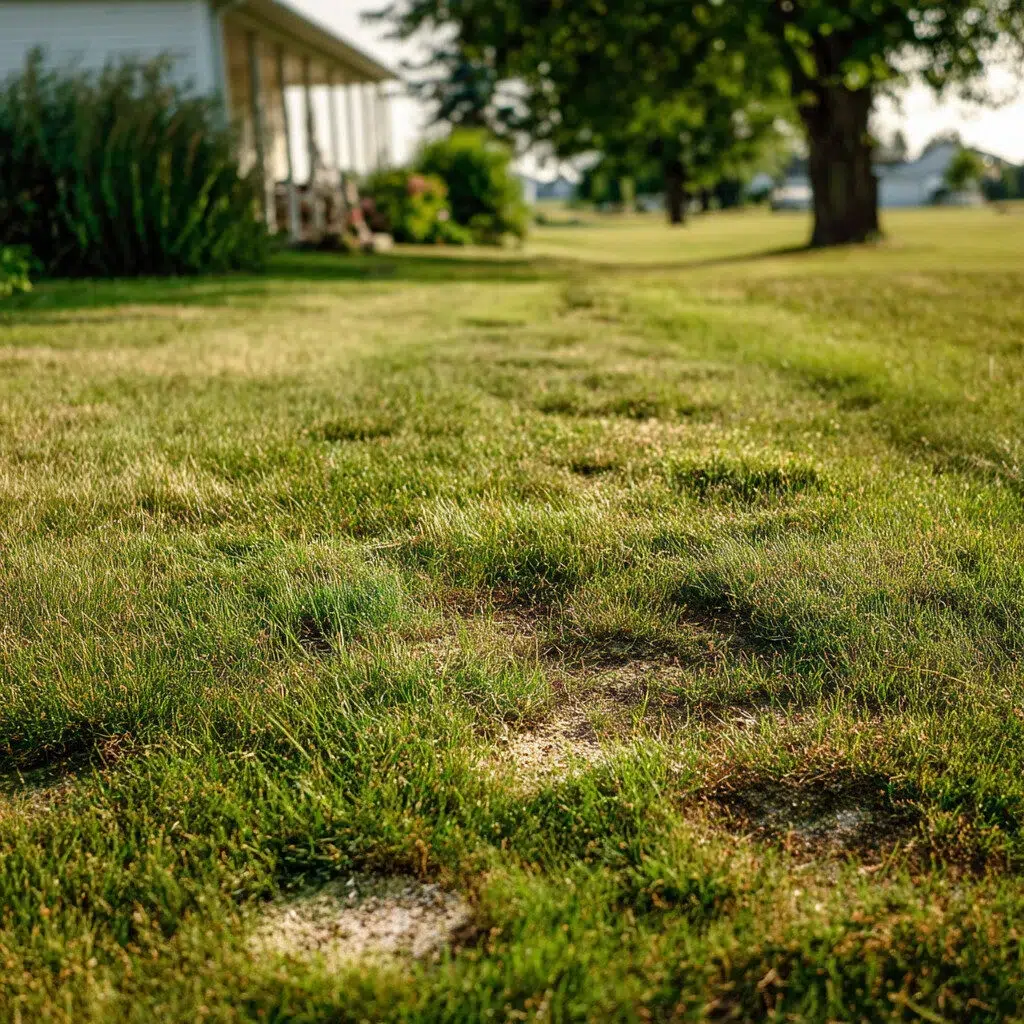
You can spot the signs of compaction. Look for pooling water after rain, thinning or patchy grass, heavy thatch buildup, and soil that feels hard underfoot. Lawns with heavy foot traffic, pets, or regular mowing traffic compact faster.
Aeration relieves this pressure. It improves drainage, strengthens roots, and helps grass absorb fertilizer more efficiently. For most Spokane lawns, we treat aeration as an annual maintenance task. Heavily used or badly compacted lawns may need service more than once a year.
What Is Core Aeration and How It Works
Core aeration uses a machine to pull small plugs of soil out of your lawn. These plugs leave behind holes that let air, water, and nutrients move down to the root zone. This process is the most effective form of aeration for compacted soil.
The machine, called a core aerator, has hollow tines that punch into the ground and remove soil cores about two to three inches deep. Spacing these holes across the lawn creates channels that loosen the soil and reduce compaction.
Core aeration works better than spike aeration, which only pokes holes without removing soil. Spike methods can push soil sideways and add to compaction over time. By pulling actual cores, core aeration gives roots room to grow and breathe. The soil plugs left on the surface break down naturally and return nutrients to the lawn.
The Best Time to Aerate Your Lawn in Spokane
The best time to aerate your lawn in Spokane is fall, though spring also works well. Fall is often the top choice because cool-season grasses grow actively during this period and recover before winter.
Spokane lawns are usually planted with cool-season turf like Kentucky bluegrass and fescue. These grasses build root strength in cooler weather. Aerating in September or early October gives the lawn time to heal and store energy before the first freeze.
Spring aeration, done in April or May, helps lawns recover from winter stress and prepares them for the growing season. We avoid aerating during the peak summer heat, since dry, stressed grass recovers slowly. If your lawn shows heavy compaction, a fall service delivers the strongest results in our experience.
Pairing Aeration With Overseeding in Fall for Maximum Results
Aeration and overseeding in fall work together to fill thin or bare spots in your lawn. The holes created by core aeration give seeds direct contact with the soil, which improves germination.
Seed-to-soil contact is the key to successful overseeding. When you spread seed over a freshly aerated lawn, the seeds fall into the aeration holes. This protects them and gives them the moisture and soil contact they need to sprout.
We recommend pairing aeration with overseeding in fall for the best results across Spokane lawns. The cool temperatures and steady moisture in autumn help new grass establish quickly. Many local lawn services follow this same schedule. After overseeding, keep the soil moist and hold off on heavy mowing until the new grass takes root.
DIY Aeration vs. Hiring a Professional Spokane Service
You can aerate your own lawn with rented equipment, but a professional Spokane service usually delivers stronger results. The difference comes down to equipment quality and technique.
DIY tools include manual core aerators, spike shoes, and rental machines from local hardware stores. These work for small yards, but they often create shallow or uneven holes. Manual tools also take significant time and physical effort on larger properties.
Professional crews use commercial-grade aerators that pull deeper, more precise cores. At Greenscape Landscaping, we bring the right equipment and local knowledge to each job. We know Spokane soil conditions and can time the service correctly. For commercial properties and larger residential lawns, hiring a professional saves time and produces more consistent results across the whole property.
Caring for Your Lawn After Aeration
Water your lawn right after aeration to help the soil settle and support root growth. Proper aftercare turns a good aeration into a great one.
Start by watering deeply within a day or two of the service. This keeps the root zone moist and helps any new seed germinate if you overseeded. Continue regular watering over the following weeks, especially during dry Spokane stretches.
Leave the soil plugs on the lawn surface. They break down naturally within a few weeks and return nutrients to the soil. You can also apply fertilizer after aeration, since the open holes let nutrients reach the roots more directly. Avoid heavy foot traffic while the lawn recovers, and mow only after the grass and any new seed have settled in.
Build a Stronger Spokane Lawn Year After Year
Lawn aeration is one of the simplest ways to fix compacted soil and build a healthier lawn in Spokane. Schedule it in fall, pair it with overseeding, and follow up with proper watering. For dependable results on any residential or commercial property, our experienced crews at Greenscape Landscaping are ready to help.
Frequently Asked Questions
How often should I aerate my lawn in Spokane?
Most Spokane lawns benefit from aeration once a year. Heavily used or compacted lawns may need service more than once per year.
When is the best time for lawn aeration in Spokane?
Fall is the top choice because cool-season grasses recover well before winter. Spring is a solid second option.
Should I overseed after core aeration?
Yes. Overseeding in fall after aeration improves seed-to-soil contact and helps fill thin or bare spots.
What should I do with the soil plugs after aeration?
Leave them on the lawn. They break down within a few weeks and return nutrients to the soil.
Is professional aeration better than DIY?
Professional crews use commercial equipment that creates deeper, more precise holes, which often produces stronger results than DIY tools.